A fresh coat of paint, updated kitchen, and beautiful backyard can make a house feel move-in ready. But some of the most expensive problems in a home aren’t immediately obvious during a showing.
From aging electrical panels to hidden sewer line damage, certain inspection findings can lead to thousands of dollars in unexpected repairs. And in Colorado, our climate and soil conditions introduce a few additional concerns buyers should understand.
At Quality Building Inspections, we’ve seen firsthand how important it is to look beyond a home’s cosmetic condition. Here are five potentially costly home inspection problems Colorado buyers should know about before closing.
1. Foundation and Structural Problems
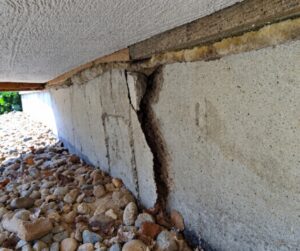
Foundation issues can be particularly concerning for Colorado homebuyers, especially along the Front Range, where expansive soils are common.
These soils contain clay that swells when it absorbs moisture and shrinks as it dries. Over time, this movement can place significant stress on foundations, concrete slabs, and other structural components.
According to the Colorado Geological Survey, expansive soils are one of the state’s most significant geologic hazards and can cause substantial property damage.
During home inspections, some of the structural concerns we look for include:
- Large foundation cracks or displacement
- Signs of foundation settlement
- Displaced or damaged structural beams
- Drainage conditions that may contribute to foundation movement
Not every foundation crack indicates a serious structural problem. However, significant movement or displacement may require evaluation by a qualified structural engineer.
How much could repairs cost?
Minor foundation repairs may cost approximately $750–$2,000, while more extensive stabilization work can be significantly more expensive. For example, helical piers may cost $1,500–$3,500 each, depending on the project.
For a closer look at which cracks may warrant additional attention, read our guide to foundation cracks in Colorado homes.
2. Outdated Electrical Panels and Wiring
An electrical system can appear to function normally while still having potentially serious safety concerns.
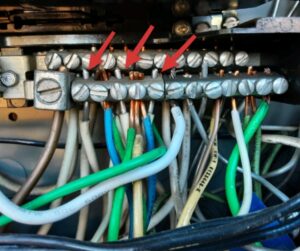
Some of the electrical problems we encounter during Colorado home inspections include outdated service panels, improper modifications, overloaded circuits, and older wiring.
Certain electrical panels have known performance or safety concerns. Older homes may also contain solid aluminum branch-circuit wiring or ungrounded wiring that warrants further evaluation.
The U.S. Consumer Product Safety Commission has documented fire hazards associated with certain aluminum wiring connections, particularly where connections deteriorate and overheat.
Other electrical concerns can result from modifications made over the years, including improperly connected breakers or electrical components that are difficult to access.
How much could repairs cost?
Replacing an electrical panel may cost approximately $2,000–$6,000, while extensive circuit rewiring can range from $500–$10,000, depending on the work required.
Electrical concerns aren’t always something buyers can identify themselves. A home inspection can help identify visible deficiencies and determine when further evaluation by a licensed electrician is appropriate.
Learn more about common electrical problems found during home inspections.
3. Hidden Sewer Line Problems
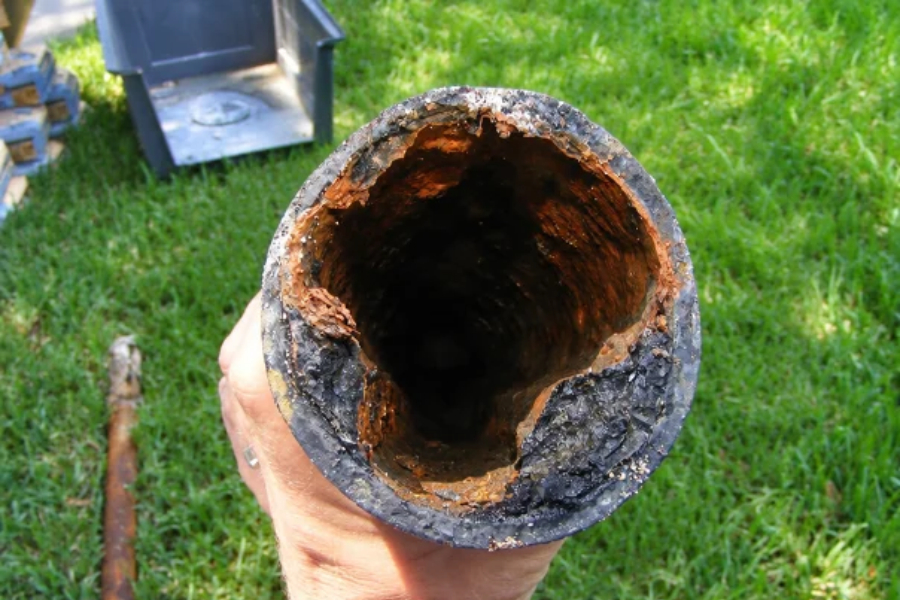
Of all the expensive home inspection surprises, sewer line problems can be among the least obvious.
A home’s sinks, showers, and toilets might appear to drain normally, but that doesn’t necessarily mean the underground sewer line is in good condition.
Some common problems identified during sewer scope inspections include:
- Tree roots growing into the sewer line
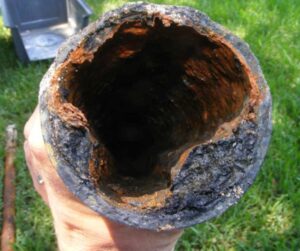
- Cracked, damaged, or deteriorating pipes
- Misaligned pipe connections
- Low spots, sometimes called bellies, where water and debris can collect
- Significant buildup or blockages
Depending on the condition and location of the problem, repairs may involve cleaning the line, repairing a damaged section, installing a liner, or replacing the entire line.
How much could repairs cost?
Sewer line cleaning may range from $200–$1,500, while full sewer line replacement can cost approximately $6,000–$25,000. That’s a potentially substantial expense for a problem buyers may never notice during a walkthrough.
Because a standard home inspection doesn’t include an internal camera examination of the underground sewer line, we recommend adding a sewer scope for homes of all ages, including newer construction.
4. Roof Damage That Goes Beyond a Simple Repair
Colorado roofs endure plenty of challenging conditions, from hail and high winds to snow, ice, and intense sunlight.
While some roofing issues can be addressed with relatively minor repairs, others may indicate that a larger portion of the roof needs attention.
During a home inspection, we look for visible concerns such as:
- Damaged or deteriorating shingles
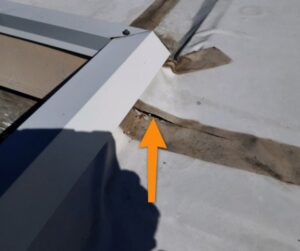
- Loose or missing flashing
- Damaged gutters
- Deficiencies at roof penetrations and transitions
- Signs of moisture intrusion associated with roofing problems
The age and condition of the roof, along with the extent of the damage, help determine whether repairs or replacement may be necessary.
How much could repairs cost?
For a typical 2,000-square-foot home, replacing a dimensional asphalt shingle roof may cost approximately $11,000–$18,000. Other roofing materials, such as concrete tile or stone-coated steel, can cost considerably more.
A home inspection can help buyers better understand visible roofing concerns, although a roofing contractor may be needed to evaluate the full extent of damage and provide repair estimates.
5. Aging or Failing HVAC Systems
Colorado’s temperature swings make reliable heating and cooling particularly important. Unfortunately, HVAC problems aren’t always apparent during a home showing.
An aging furnace might still be running, but that doesn’t mean it has years of reliable service remaining.
Some HVAC concerns we encounter include:
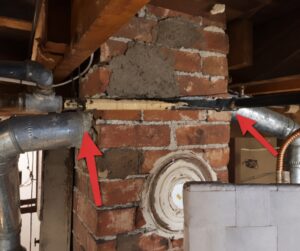
- Furnace exhaust or venting deficiencies
- Blower or electrical component problems
- Refrigerant leaks and air-conditioning deficiencies
- Equipment nearing the end of its expected service life
- Conditions that may require major repairs or replacement
While many HVAC issues can be repaired, others may make replacement the more practical option.
How much could repairs cost?
Furnace replacement may range from approximately $5,000–$12,000, while air-conditioning replacement can cost $7,000–$12,000. Actual costs depend on equipment, installation requirements, and the home’s specific needs.
A home inspection can help identify visible deficiencies and provide information about equipment age and operation under the conditions present at the inspection. More detailed testing or diagnosis may require a qualified HVAC contractor.
What Should Buyers Do When an Inspection Reveals an Expensive Problem?
Finding a potentially costly issue doesn’t automatically mean you should walk away from a home.
Every house has imperfections, including new construction. The important thing is understanding which findings are routine maintenance concerns, which require additional evaluation, and which could affect your budget or safety.
If your inspection reveals a significant problem:
- Review the inspection report carefully. Understand what’s been observed and why it matters.
- Get additional evaluations when recommended. A licensed contractor, structural engineer, or other qualified specialist may be needed to determine the extent of the problem.
- Request repair estimates. Actual costs can vary considerably depending on the property and scope of work.
- Talk with your real estate agent. Your agent can help you understand your options and navigate inspection-related negotiations.
The goal of a home inspection isn’t to find a perfect house. It’s to help you make an informed decision about the home you’re considering.
Know What You’re Buying Before You Close
Some of the most expensive home problems are the ones you can’t easily see.
At Quality Building Inspections, we help Colorado homebuyers understand the condition of their prospective homes with thorough inspections, clear reporting, and practical information about our findings.
Whether you’re purchasing your first home, moving into an older property, or buying new construction, a professional home inspection can help you move forward with greater confidence.
Buying a home in the Denver metro area? Schedule your home inspection with Quality Building Inspections and get the information you need before closing.
Repair costs referenced in this article are approximate estimates from Quality Building Inspections’ educational materials. Actual costs vary by property, contractor, materials, location, and scope of work. These figures are not quotes or guarantees.