Electrical problems are some of the more common issues we find during home inspections. Some are relatively simple to fix, while others may need a closer look from a licensed electrician.
The challenge is that many electrical issues aren’t obvious during a typical home showing. The lights turn on and the outlets look normal, but that doesn’t always tell you what’s happening with the electrical system.
Here are some of the electrical problems we commonly encounter during home inspections and why they’re worth paying attention to.
1. Missing or Improper GFCI Protection
GFCI protection is designed to quickly shut off power when it detects an electrical imbalance, helping reduce the risk of electric shock. You’ll commonly find GFCI-protected outlets in areas where electricity and moisture are more likely to come into contact, such as kitchens, bathrooms, garages, basements, and exterior locations.
During an inspection, we may find outlets that aren’t properly GFCI protected or GFCI devices that don’t trip correctly when tested.
These can often be relatively straightforward repairs, but GFCI protection is an important electrical safety feature, so it’s something we pay attention to.
2. Outlet and Wiring Problems
An outlet can look perfectly normal from the outside and still have an issue.
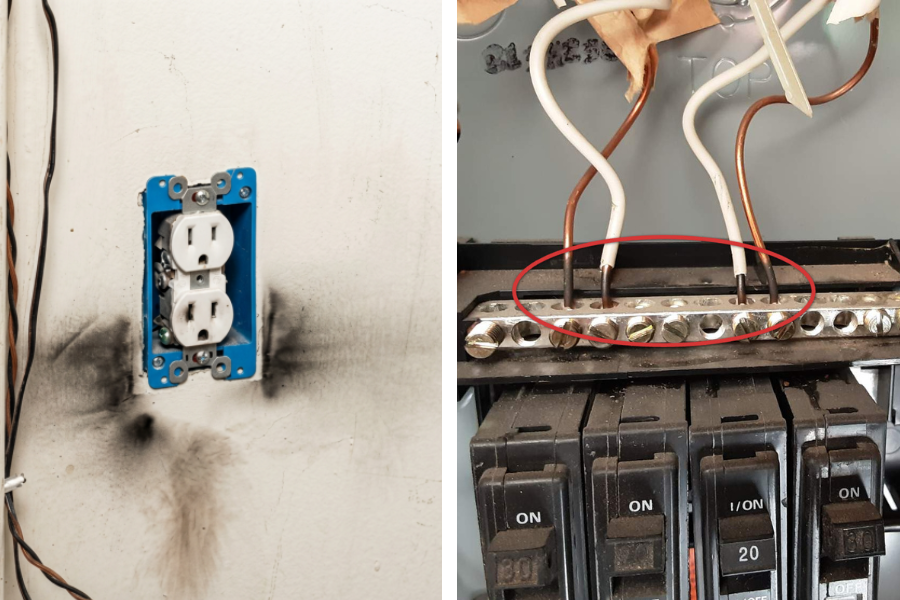
We use electrical testers during home inspections to check accessible receptacles for conditions such as improper grounding or reversed polarity. We also come across loose or damaged outlets, exposed wiring, open junction boxes, and electrical work that wasn’t completed properly.
This can be especially important in homes that have been remodeled or updated over the years. A finished basement, remodeled kitchen, or added lighting may mean the electrical system has gone through several rounds of changes.
3. Electrical Panel Issues
The electrical panel can tell us a lot about a home’s electrical system.
When accessible, we inspect the panel for visible concerns such as improper wiring, damaged components, corrosion, evidence of overheating, and other installation issues.
One example is a double-tapped breaker, where two wires are connected to a breaker that isn’t designed to accommodate both.
Finding something unusual in the panel doesn’t automatically mean the entire electrical system needs to be replaced. Depending on what we find, however, we may recommend having a licensed electrician take a closer look.
4. Flickering Lights
Sometimes a flickering light really is just a bad bulb.
But it can also point to an issue with the fixture, a loose connection, wiring, or another part of the electrical system.
We recently came across a hallway light during an inspection that was flickering pretty noticeably. There’s no reason to immediately jump to the worst-case scenario, but there’s also no way to know just by looking at the light whether the problem stops with the bulb.
That’s why we document conditions like this and recommend further evaluation when appropriate.
[VIDEO: Flickering hallway light inspection find – I may or may not use this video; we’ll see how it looks layout-wise]
5. Signs of Overheating
Electrical components generate some heat during normal operation, but excessive heat can be a sign that something isn’t working as it should.
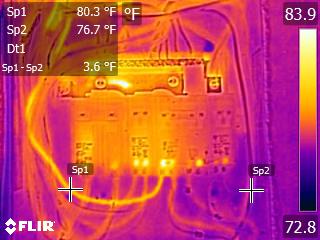
Sometimes there are visible clues, such as discoloration or scorching. Thermal imaging can also help us identify unusual temperature differences that aren’t visible to the naked eye.
A thermal camera doesn’t diagnose an electrical problem by itself. But if one area is significantly warmer than the components around it, that can give us a reason to investigate further.
6. Older Electrical Components
Age can be an important consideration when evaluating a home’s electrical system, particularly when it comes to the electrical panel.
Electrical codes and safety standards change over time, and the components inside a panel can wear out as they age. With older panels, replacement parts may also be difficult or sometimes impossible to obtain, which can make repairs more complicated.
As a general rule, when we encounter an electrical panel that’s around 30 years old or older, we take its age seriously. Depending on the panel and its condition, we will often recommend evaluation by a licensed electrician and may recommend full panel replacement rather than individual repairs.
This is particularly relevant in older homes throughout the Denver metro area, where electrical systems may have been updated gradually over the years. During an inspection, we look at the age and condition of accessible components, how they were installed, and whether there are known safety concerns associated with them.
If we believe an older panel or another electrical component warrants replacement, we’ll explain what we found, why it matters, and what we recommend doing next.
Does an Electrical Finding Mean the House Is Unsafe?
Not necessarily.
Electrical findings can range from relatively minor repairs to more significant safety concerns. A light that isn’t working, for example, is very different from finding evidence of overheating inside an electrical panel.
That’s part of what a home inspection is for.
Our job isn’t to make a house sound scary or give it a passing or failing grade. It’s to document what we see, explain why it matters, and help you understand when something may need to be repaired or evaluated by a qualified professional.
Know What You’re Buying
You don’t need to be an electrician to buy a house. But you do want to understand the condition of the home you’re buying, including its electrical system.
At Quality Building Inspections, we inspect homes throughout the Denver metro area and explain our findings in plain language, so you can make informed decisions about your investment.
Schedule Your Home Inspection