Have questions about home inspections? You’re not alone. Whether you’re buying a home, building a new one, or preparing for an inspection, we’ve answered some of the most common questions we hear from Colorado homeowners and homebuyers.
What is a home inspection?
A home inspection is a visual evaluation of a home’s major systems and components, from the roof to the foundation. Your inspector looks for defects, safety concerns, signs of damage, and other conditions that may need attention so you can better understand the home you’re buying.
At Quality Building Inspections, we inspect accessible areas of the home and provide a detailed report documenting our findings with photos, videos, and other supporting information.
What does a home inspector check?
A home inspector evaluates the visible and accessible systems and components of a home. This typically includes the roof, exterior, foundation and structure, electrical system, plumbing, heating and cooling systems, attic and insulation, windows and doors, and interior spaces.
The goal isn’t simply to create a list of defects. It’s to give you a clearer picture of the home’s condition and identify issues that may deserve further attention.
How much does a home inspection cost in Colorado?
The cost of a home inspection depends on the property, including its size, age, location, and other factors. Larger or older homes may require more time to inspect, and optional services such as radon testing, mold testing, or a sewer scope can also affect the total cost.
Because every property is different, the best way to get an accurate price is to enter your property information in our online scheduler or contact us for a quote.
How long does a home inspection take?
Most home inspections take approximately 2 to 4 hours. The exact amount of time depends on factors such as the home’s size, age, condition, and accessibility.
Larger homes or properties with crawl spaces, multiple HVAC systems, detached structures, or other complexities may take longer. We don’t rush an inspection to fit a predetermined timeframe—the goal is to thoroughly evaluate the property.
Should I attend the home inspection?
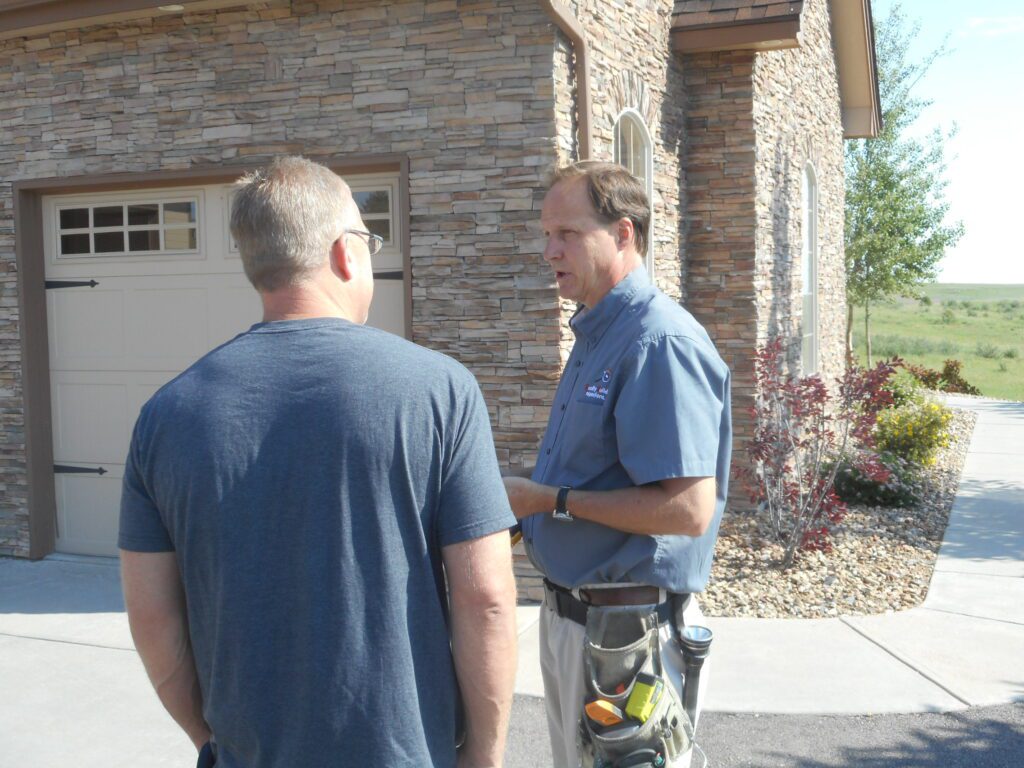
You aren’t required to attend your home inspection, but we recommend it whenever possible. Being there gives you an opportunity to see the home through your inspector’s eyes, ask questions, and better understand any findings that may appear in the report.
You’ll still receive a detailed inspection report afterward, whether or not you’re able to attend.
When should I schedule a home inspection?
For a home purchase, the inspection is typically scheduled after your offer is accepted and during the inspection period outlined in your contract. Because that window can be short, it’s a good idea to schedule your inspection as soon as you are under contract.
Your real estate agent can help you determine the dates required by your contract.
How soon will I receive my home inspection report?
You’ll typically receive your home inspection report by the end of the day of your inspection. Your report will document the inspector’s findings with descriptions, photos, videos, and other information to help you understand the condition of the property.
What happens if the home inspection finds problems?
Finding problems during a home inspection is normal—no home is perfect. Your inspection report gives you information about the property’s condition so you can make an informed decision about how to move forward.
Depending on the findings and your purchase agreement, you may choose to discuss repairs, credits, or other options with your real estate agent. A home inspection itself is not a pass-or-fail test.
What’s the difference between a home inspection and an appraisal?
A home inspection evaluates the condition of a property, while an appraisal primarily estimates its value for the lender. An appraiser and a home inspector perform different jobs, and an appraisal isn’t a substitute for a home inspection.
Your home inspector takes a much closer look at the home’s systems and components to identify defects, safety concerns, damage, and other conditions you should know about.
Should I get a radon test with my home inspection in Colorado?
Radon testing is worth considering for Colorado homes because elevated radon levels can occur throughout the state. Radon gas exposure is the second leading cause of lung cancer and is a naturally occurring radioactive gas that you can’t see, smell, or taste, so testing is the only way to know the level present in a home.
Quality Building Inspections offers radon testing that can be performed alongside your home inspection, helping you gather more information about the property during the inspection period.
Should I get a sewer scope with my home inspection?
A sewer scope can identify problems in a home’s sewer line that aren’t visible during a standard home inspection. The sewer line inspection can reveal conditions such as cracks, blockages, root intrusion, deterioration, or other issues that could lead to expensive repairs.
A sewer scope can be especially valuable for older homes, properties with mature trees, or homes where the condition of the sewer line is unknown.
Do new construction homes need an inspection?
Yes. New construction homes can have defects too, even when the home has passed municipal inspections. An independent home inspection provides another set of trained eyes before you take ownership of the property.
Issues can range from relatively minor installation problems to defects involving roofing, electrical, plumbing, HVAC, insulation, or other components of the home.
What is an 11-month warranty inspection?
An 11-month warranty inspection is a home inspection performed near the end of your new home’s first year, before your builder’s warranty typically expires. It gives you an opportunity to identify defects, incomplete work, or other concerns that may have become apparent after living in the home.
You’ll receive a detailed inspection report documenting our findings, which you can use when discussing potential warranty repairs with your builder.
Does my home inspection come with a warranty?
Yes. Every Quality Building Inspections home inspection includes a complimentary 120-day warranty for added peace of mind after your inspection. The warranty provides coverage for certain issues that were not identified in your inspection report but arise during the coverage period.
Coverage includes eligible issues involving major home systems and components, subject to the terms and conditions of the warranty.
Does a home inspection include mold testing?
Mold testing is not automatically included with a standard home inspection, but it can be added when appropriate. If there are known past moisture issues, signs of possible moisture intrusion, or other conditions that raise concern, testing can provide additional information about what may be present in the home.
Quality Building Inspections offers both air and surface mold testing as an additional service and typically includes infrared thermography as part of the mold test.
Does a home inspection include thermal imaging?
Thermal imaging is available as an optional add-on service for an additional cost. Quality Building Inspections uses thermal imaging to help investigate temperature differences that aren’t visible to the naked eye. Thermal imaging may help identify conditions associated with moisture, missing insulation, electrical hot spots, or heating and cooling issues.
A thermal image doesn’t diagnose a problem on its own. Your inspector interprets what the camera shows alongside visual observations and other inspection tools.
Still Have Questions About
Your Home Inspection?
We’re happy to help. Contact Quality Building Inspections with questions about your property or schedule your home inspection online.