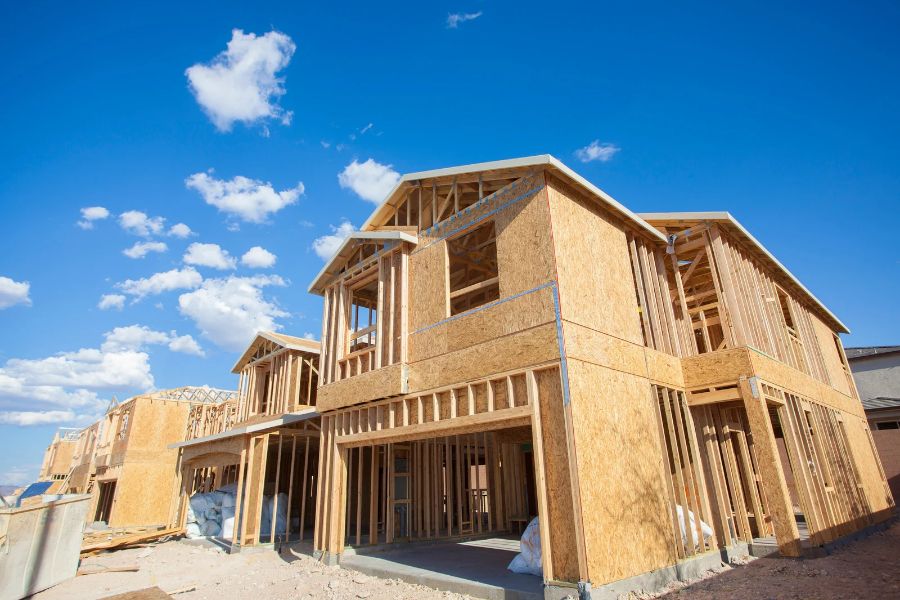
When you’re buying a brand-new home, it’s easy to assume there won’t be much for a home inspector to find.
After all, everything is new. The appliances haven’t been used. The roof was just installed. The furnace has barely run. And the home has already gone through various stages of construction and inspections.
But new doesn’t always mean problem-free.
We regularly inspect new construction homes throughout the Denver metro area, and the issues we find can range from small finishing details to problems that could lead to water intrusion, reduced energy efficiency, or costly repairs if they’re not addressed.
Here are some real examples we’ve found during new construction home inspections.
1. Roofing, Drainage, and Water Management Problems
Water is one of the biggest things we’re thinking about during any home inspection, including in a brand-new home.
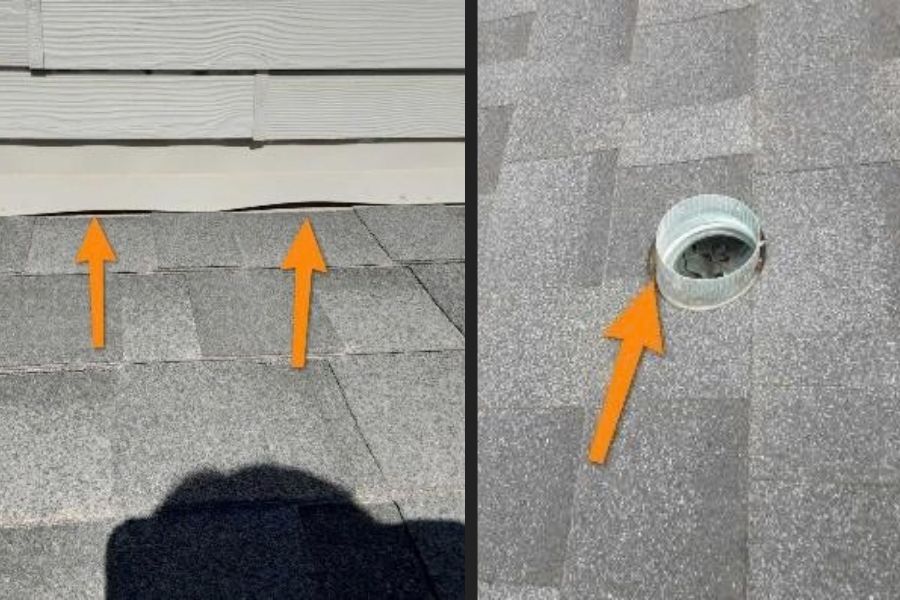
We’ve found improperly installed or loose roof flashing that could allow wind-driven rain underneath the roofing material. We’ve also found roof penetrations that weren’t properly completed or flashed, leaving an opening where moisture could enter the attic.
Water management matters at ground level, too. On one new construction inspection, we found standing water in a window well, indicating that the drain wasn’t working properly. Left unresolved, water collecting around a window well can increase the potential for moisture intrusion and put unnecessary moisture near the foundation.
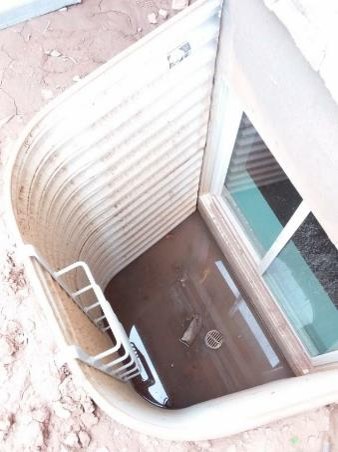
These are good examples of why we pay close attention to the way water is being directed away from—and kept out of—the home, even when the house is brand new.
2. HVAC and Insulation Issues
Construction creates a lot of dust and debris, and sometimes that debris is still there when the buyer is getting ready to move in.
We’ve opened registers in new homes and found construction debris and dirty ductwork that hadn’t been cleaned after construction. We’ve also found significant dust and dirt inside brand-new furnaces.
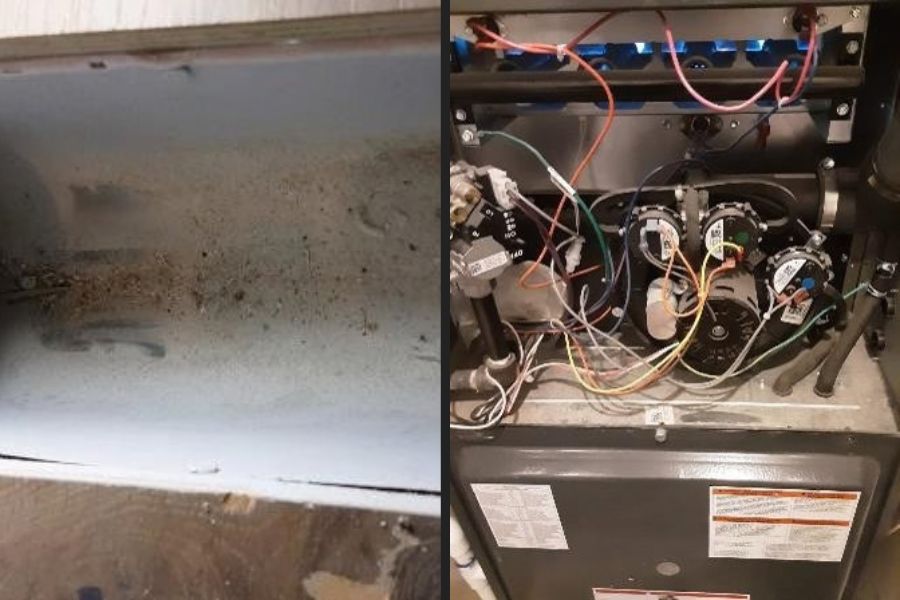
Beyond affecting indoor air quality, excessive construction dust and debris can wear down HVAC equipment over time. In these situations, we recommend having the system and ductwork professionally cleaned.
Insulation is another area where we sometimes find deficiencies. In one attic, we measured approximately 10–11 inches of blown-in fiberglass insulation where roughly 15 inches was expected. That difference can reduce the insulation’s effectiveness and the home’s energy efficiency.
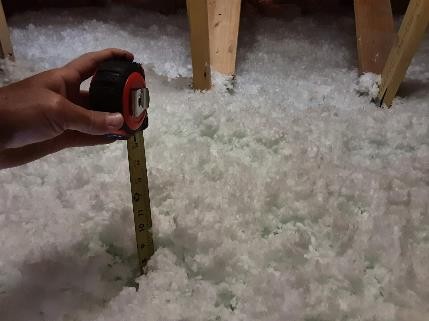
These aren’t necessarily things a buyer would notice during a final walkthrough—but they can affect how the home performs after move-in.
3. Plumbing and Appliance Problems
Sometimes the problems we find are surprisingly simple, yet could create a big mess if no one catches them.
One example? A dishwasher drain line that wasn’t connected to the home’s waste system or disposal.
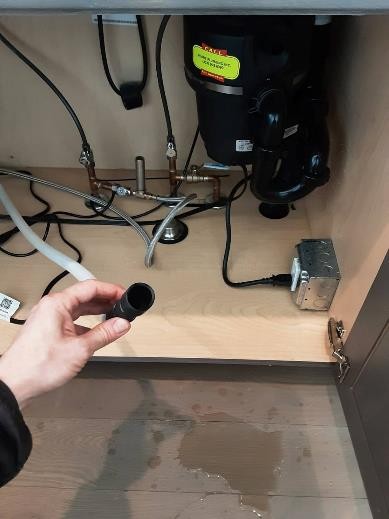
Running the dishwasher like that could result in water spilling into the cabinet and onto the floor.
We’ve also tested brand-new appliances only to find that they aren’t operating correctly. During one inspection, the oven displayed an error code for the cooling fan, indicating an issue that needed to be addressed before the buyer moved in.
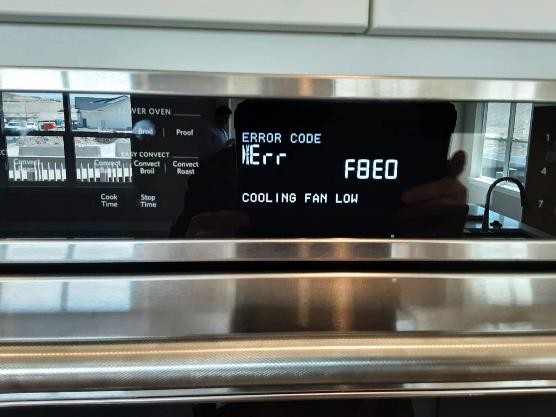
That’s why we don’t assume something works simply because it’s new. If it’s part of the inspection and accessible, we want to see how it actually performs.
4. Missing, Incomplete, or Poorly Finished Work
Some new construction findings aren’t hidden at all. They’re simply things that were never completed, or weren’t completed well.
We’ve found:
- Missing electrical outlets where outlets should have been installed
- Missing weather stripping around exterior doors, allowing outside air through
- Sloppy grout work around a fireplace
- Missing control joints in hard-coat stucco on a three-story home
In that last example, the home’s three-story height matters. Control joints help accommodate movement and minimize random cracking in the stucco, but they aren’t required on two-story homes or ranches.
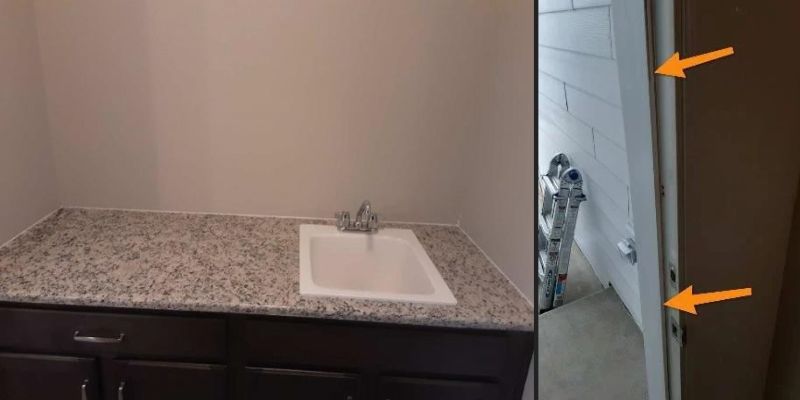
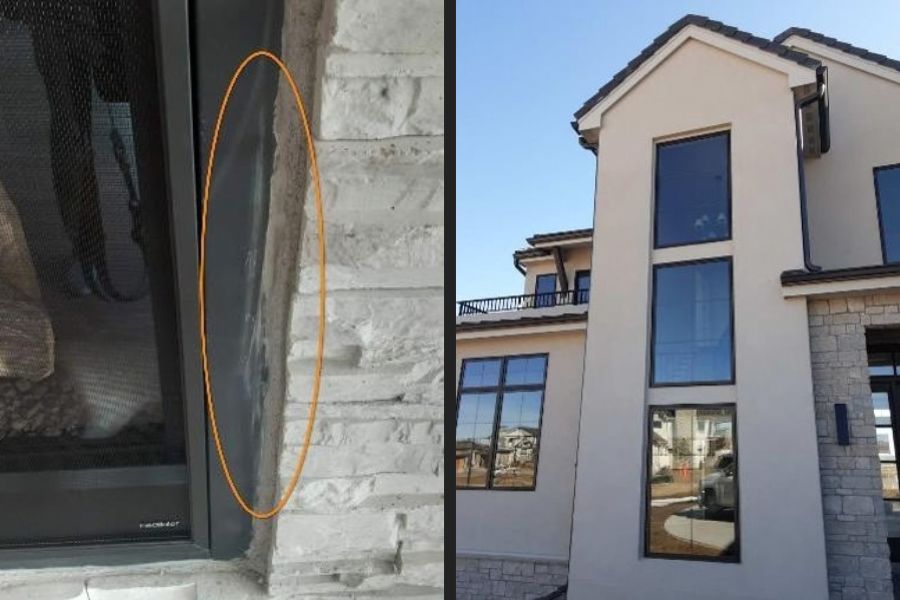
Not all of these findings carry the same weight. Messy grout, for example, may be primarily cosmetic. Missing or improperly installed components can have a much greater effect on the home’s performance.
Part of the inspection is helping buyers understand that difference, not just handing them a long list of everything we noticed.
5. Problems That Could Become Bigger Later
One of the biggest benefits of inspecting a new construction home is identifying conditions before they’ve had years to cause damage.
For example, we found a sump pit with enough standing water that could eventually back up into the inlet pipe. That could allow moisture to collect near the foundation or potentially enter the basement. In this case, installing a sump pump was recommended.
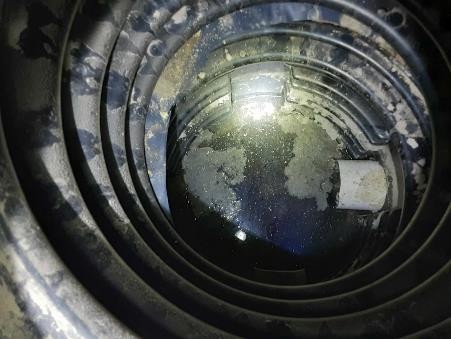
The roof, drainage, insulation, and HVAC examples above fall into this category too. The home may look perfectly fine today, but correcting a relatively straightforward issue now can help prevent a much bigger problem later.
Does a New Construction Home Still Need an Inspection?
A new construction home may not have decades of wear and tear, but it’s still a complex structure made up of thousands of components installed by many different people.
Things can be missed. Components can be installed incorrectly. Work can be left unfinished. And sometimes, something simply doesn’t work the way it’s supposed to.
A home inspection gives you another opportunity to identify those issues before you move in.
It also helps put the findings into perspective. A cosmetic issue isn’t the same as an improperly flashed roof, and a dirty register isn’t the same as a condition that could allow water into the home.
Our job is to show you what we found, explain why it matters, and help you understand what may need to happen next.
Buying a New Construction Home in Colorado?
At Quality Building Inspections, we inspect new construction homes throughout the Denver metro area to help buyers better understand the home they’re purchasing—even when everything is brand new.
Because new doesn’t necessarily mean perfect.
Schedule your new construction home inspection.