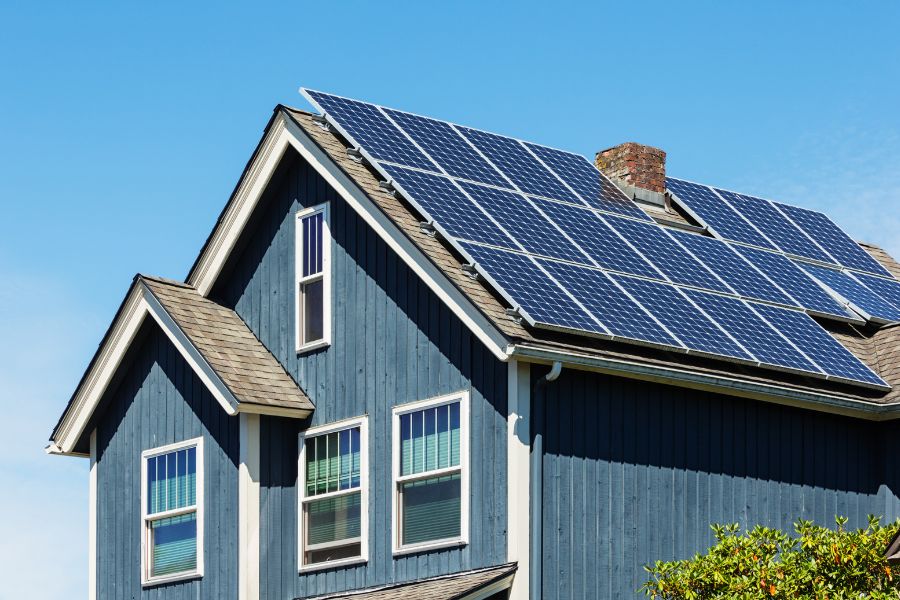
For many homebuyers, seeing solar panels on a home is exciting. Lower utility bills, renewable energy, and the potential for long-term savings can make a home even more attractive.
But if you’ve never owned a home with solar, it’s natural to have questions.
- Are the panels working properly?
- How much electricity do they actually produce?
- How old is the system?
- Will expensive components need to be replaced soon?
- Is the system owned outright or leased?
These aren’t questions most buyers think to ask, until after they’re under contract.
“Solar panels can be a great feature, but they’re also a major component of the home,” says Doug Fast, owner of Quality Building Inspections. “Just like the roof, furnace, or electrical system, buyers should understand their condition before making one of the biggest investments of their lives.”
The good news is that buying a home with solar panels doesn’t have to be complicated. Like any major system in a home, understanding its condition and performance before closing can help you make a more informed decision.
Why More Colorado Homes Have Solar Panels
As solar panels have become a familiar feature on homes across Colorado, more homebuyers are purchasing homes with existing rooftop solar systems. Colorado has also seen significant growth in renewable electricity production over the past decade, with solar playing an increasingly important role in the state’s energy mix.
That trend continues today. Recent legislation expanding access to plug-in solar technology reflects Colorado’s ongoing investment in making solar energy more accessible for homeowners and residents.
For many buyers, that’s a positive feature. Lower utility bills and renewable energy can make a home even more attractive.
But while it’s relatively easy to evaluate features like a kitchen or flooring during a showing, a solar energy system is much more complex. A row of clean-looking panels doesn’t necessarily tell you how well the system is performing, how much useful life remains, or whether there are issues that deserve closer attention.
Five Questions to Ask Before Buying a Home With Solar Panels
1. Is the system producing the energy it should?
One of the biggest misconceptions about solar panels is that if they’re still attached to the roof, they’re working properly.
But the truth is that solar systems can continue operating while producing less electricity than expected. Panel degradation, inverter issues, wiring problems, partial shading from nearby trees or structures, or other equipment concerns can all affect performance over time.
According to Doug, “Our goal isn’t simply to confirm that solar panels are installed. We want buyers to understand how the system is performing today so they know what they’re actually buying.”
Understanding how much energy the system produces, and whether that output is consistent with expectations, can provide valuable insight before you purchase the home.
2. How much useful life is left?
Solar panels are designed to last for decades, but not every component has the same lifespan.
For example, inverters often require replacement sooner than the panels themselves, and overall system performance gradually declines over time.
Knowing the approximate remaining life of key components can help buyers plan for future maintenance and avoid unexpected expenses after moving in.
3. Is the system safe and properly installed?
Safety is just as important as performance.
A quality solar panel inspection looks beyond the panels themselves and considers visible conditions such as:
- Loose or damaged components
- Exposed or improperly managed wiring
- Panel mounting hardware
- Electrical labeling
- Visible panel damage
- General installation quality
Most systems perform well for years with little maintenance, but identifying visible concerns before closing gives buyers a clearer picture of the home’s overall condition.
4. Are the important documents available?
Solar panels are more than just another appliance, they’re an entire energy system.
Before closing, buyers should ask about documentation such as:
- Installation records
- Equipment warranties
- Manufacturer information
- Monitoring account access
- Utility net metering information
- Service records, if available
Having this information makes it much easier to understand the system and manage it after moving into the home.
5. Is the system adding value, or creating uncertainty?
A properly functioning solar system can absolutely be an asset. It may reduce monthly utility costs, improve energy efficiency, and increase a home’s appeal.
However, buyers should understand exactly what they’re purchasing before assuming the system adds value. Like any major home component, the goal is simply to replace uncertainty with information.
How a Solar Inspection Can Help
Most home inspections include a visual review of readily accessible components of the solar system, but a dedicated solar inspection provides a much deeper understanding of how the system is performing.
At QBI, our solar inspections evaluate key aspects of the system, including:
Energy Production
We assess whether the system’s energy output aligns with expected performance, helping buyers better understand how the system is operating today.
Remaining Life
We estimate the remaining life expectancy of major components, giving buyers valuable information for long-term planning. The report includes an easy-to-understand lifecycle chart showing the expected lifespan of the panels and the inverter.
Equipment Condition
Visible components are evaluated for signs of damage, improper installation, loose hardware, and other conditions that could affect performance or reliability.
Energy Storage
If the home includes battery storage, we document the system and provide information to help buyers understand how energy is stored and used.
Rather than overwhelming buyers with technical data, the goal is to provide clear, practical information that helps them understand the condition of the system before closing.
A Solar System Is an Investment, and It’s Worth Understanding
Buying a home is one of the largest financial decisions most people will ever make.
If that home includes solar panels, taking the time to understand the system is simply part of making an informed decision.
Just as buyers want to understand the condition of the roof, HVAC system, or foundation, it’s equally valuable to understand how the home’s solar system is performing and what to expect in the years ahead.
As Doug often says, “Our job isn’t to convince you to buy—or not buy—a home. It’s to help you understand what you’re buying.”
That philosophy applies just as much to solar panels as it does to every other part of the home.
Making an Informed Decision
Solar panels can be a tremendous benefit for homeowners, especially in Colorado. The key is making sure you understand the system before closing, not after you’ve moved in.
Whether you’re buying your first home with solar or your fifth, having clear information about the system’s condition, performance, and expected lifespan can provide valuable peace of mind.
Schedule your inspection with QBI to gain the information you need to move forward with confidence.